PaneOlio High-Quality Supply Chain
The only truly effective tool for achieving high quality in the production of extra virgin olive oil is the application of the concept of the FOOD SUPPLY CHAIN, which refers to a product’s entire journey “from farm to table.” It encompasses all the stages, processes, and stakeholders involved in the production, processing, distribution, and consumption of a food product.
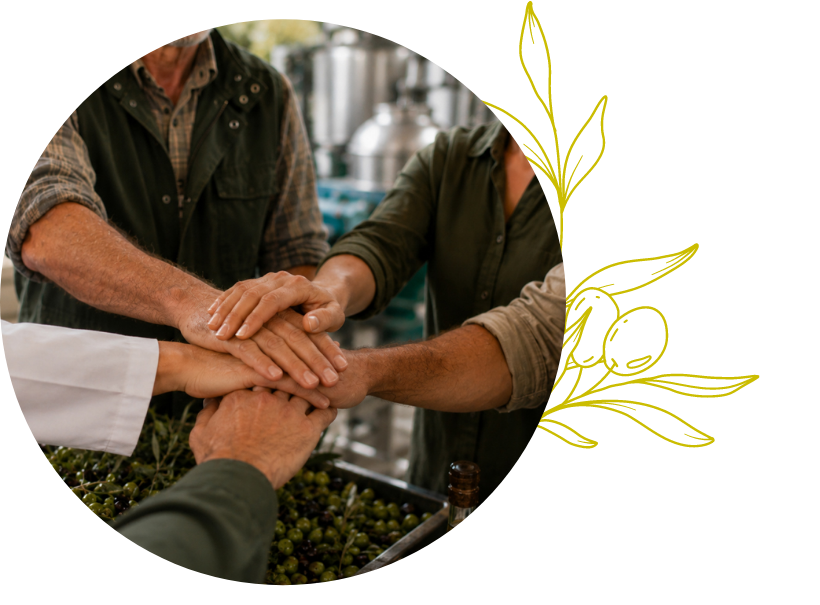
Olive growers, oil extraction technology manufacturers, certification bodies, universities, transportation companies, automation companies, software firms, packaging material manufacturers, logistics and distribution companies, and consumers—many different stakeholders united by a single goal: the high quality of extra virgin olive oil.
The Paneolio High-Quality Supply Chain monitors and certifies over 100 parameters in accordance with the UNI EN ISO 22005:2008 standard. A traceability system that ensures total transparency, certified and guaranteed via blockchain.
Our roots
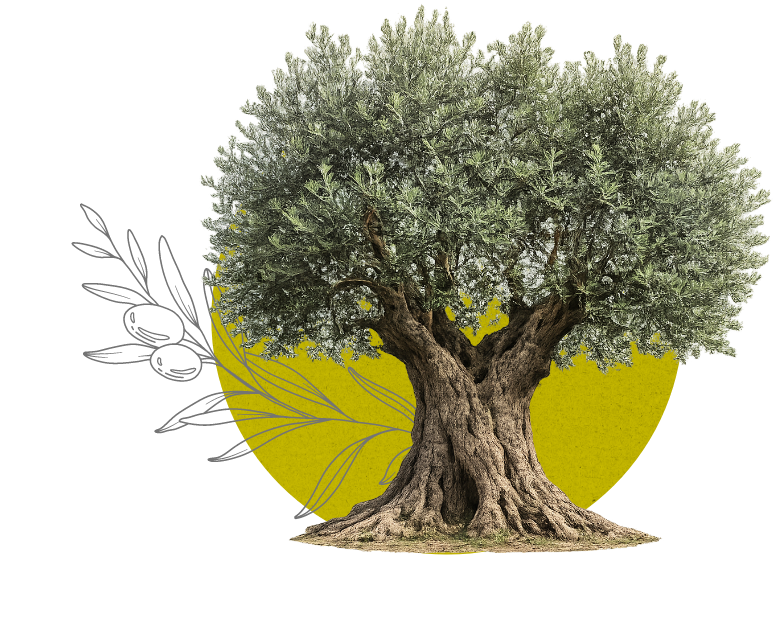
Olive oil production in the Trasimeno region dates back to the ancient Etruscans. After centuries of history, in 1949 in Panicale, a group of farmers—seeking to escape the unsustainable conditions imposed by the private oil mills of large landowners—founded the “La Panicalese” cooperative, establishing Umbria’s first cooperative olive oil mill. Renamed “Oleificio Cooperativo Il Progresso” in 1952, the cooperative now brings together over four hundred families and olive growers united in the spirit of cooperation and collaboration.
Our Products
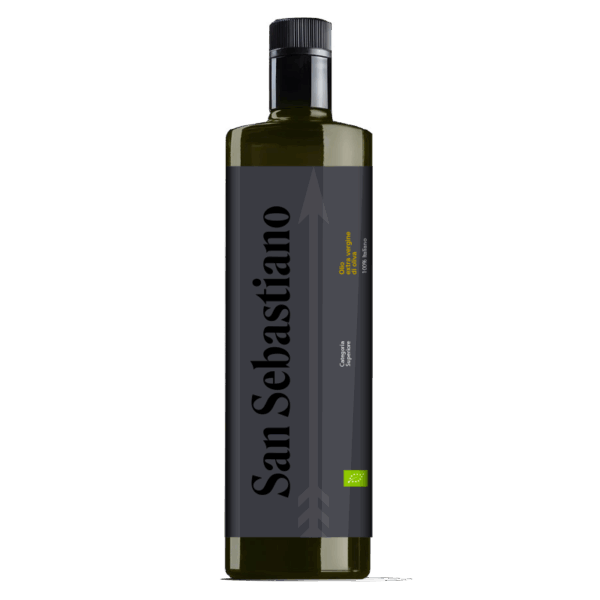
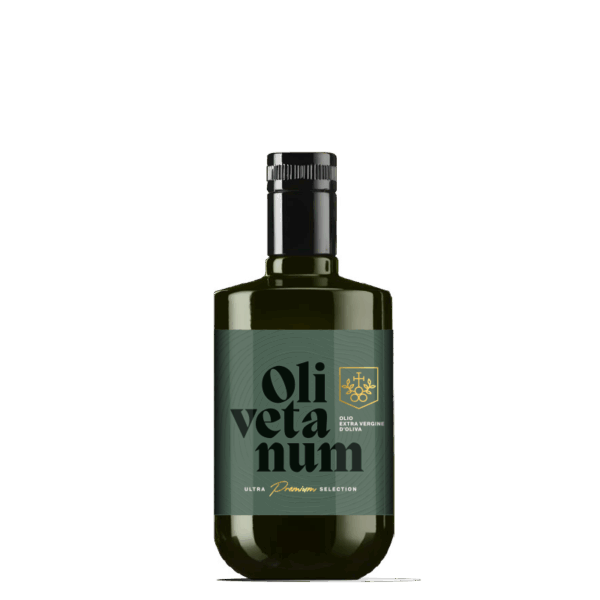
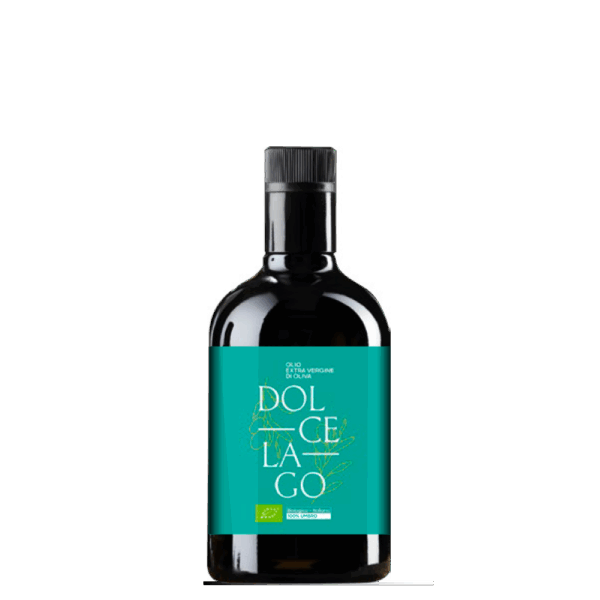
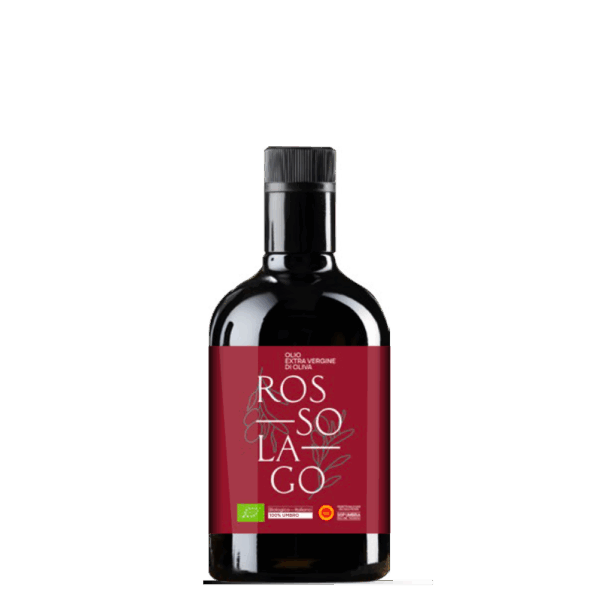
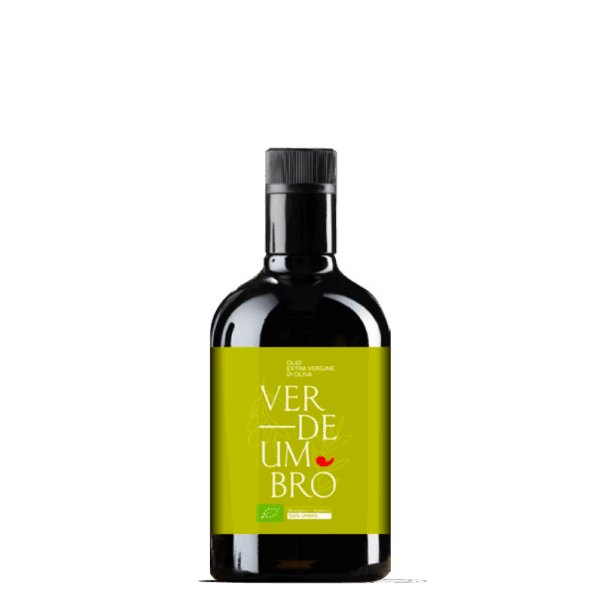
The oil extraction process, or milling, is one of the crucial steps in determining the quality of the product. For this reason, we produce and select the finest raw materials (olives) in Umbria and throughout Italy, which we process directly and exclusively at our historic oil mill in Panicale. The selection of olives is extremely rigorous and culminates, prior to harvest, in chemical analyses conducted by an accredited third-party organization to verify that there are no pesticide residues. The limit we enforce is 0.01 mg per kilogram of olives, the limit set for organic products.
Olive trees are frequently subject to attacks by the so-called olive fruit fly (Bactrocera oleae). Today, as a result of climate change, this problem has also emerged in Umbria, a region located in a climate zone where the phenomenon was previously rare. There are now remedies that can be used effectively while fully preserving the health of the olives. If the criterion of full health is not met, we do not accept the product. We are able to achieve this goal thanks to our supply chain, within which olive growers cooperate and share values and objectives. We oppose the use of synthetic chemicals in agriculture; instead, we follow the methods and principles of organic and regenerative agriculture (ORA).